
Solar Panel Warranty Coverage Has Conditions
A 25-year solar panel warranty is not a blanket promise that every problem will be covered for 25 years. It is an agreement to repair or replace specific failures under specific conditions, and those conditions live in the document most owners never open.
The exact language varies by manufacturer and model. Your own limited-warranty PDF, not a sales page or a summary, is the document that controls.
The Clause Almost Nobody Reads
Maintenance language usually appears as exclusions rather than a friendly checklist. Two ideas are especially common:
-
Failure to maintain: Damage or degradation tied to inadequate cleaning, inspection, or upkeep may be excluded.
-
Consequential neglect: A manufacturer may exclude damage caused by a condition the owner could reasonably have caught, such as animal intrusion, accumulated debris, or a known fault left unresolved.
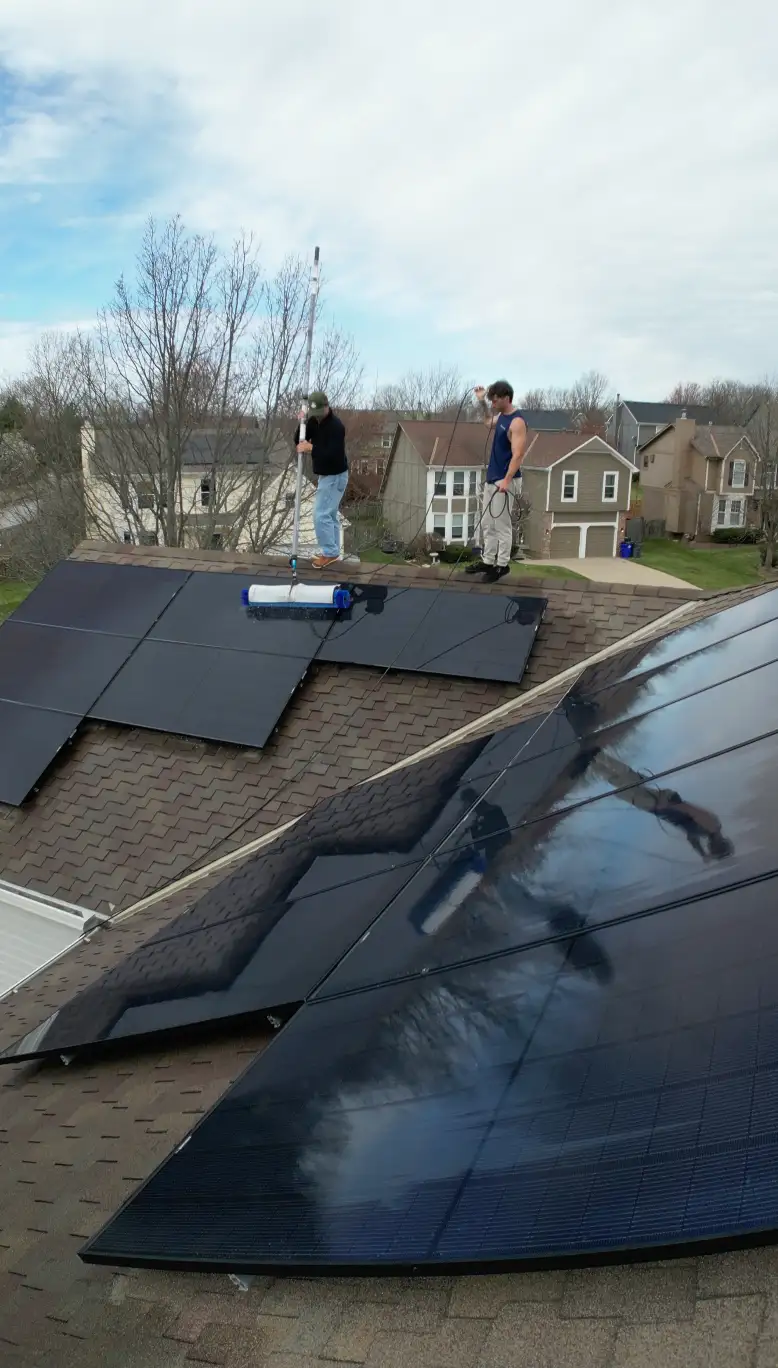
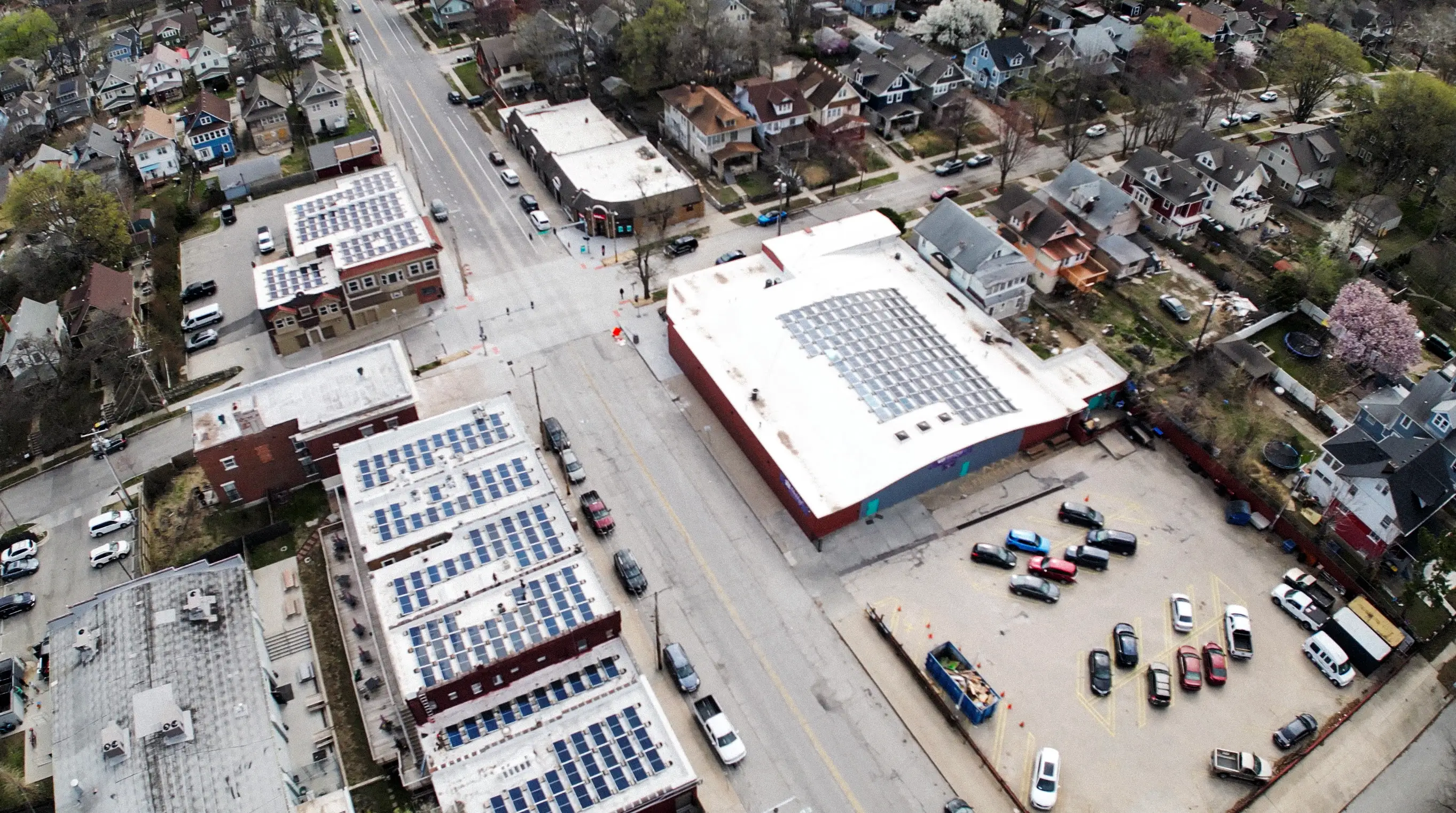
Some manufacturers name a cleaning interval. Others use phrases such as “normal industry practice,” leaving more room for interpretation when a claim is reviewed. A few say little or nothing about cleaning. That distinction matters, which is why the right starting point is always your actual document and a cleaning schedule suited to local conditions. Our Kansas City solar panel cleaning guide explains the pollen, dust, and storm exposure owners see here.
How a Denial Actually Happens
Claims are not decided by a missing receipt alone. They turn on evidence.
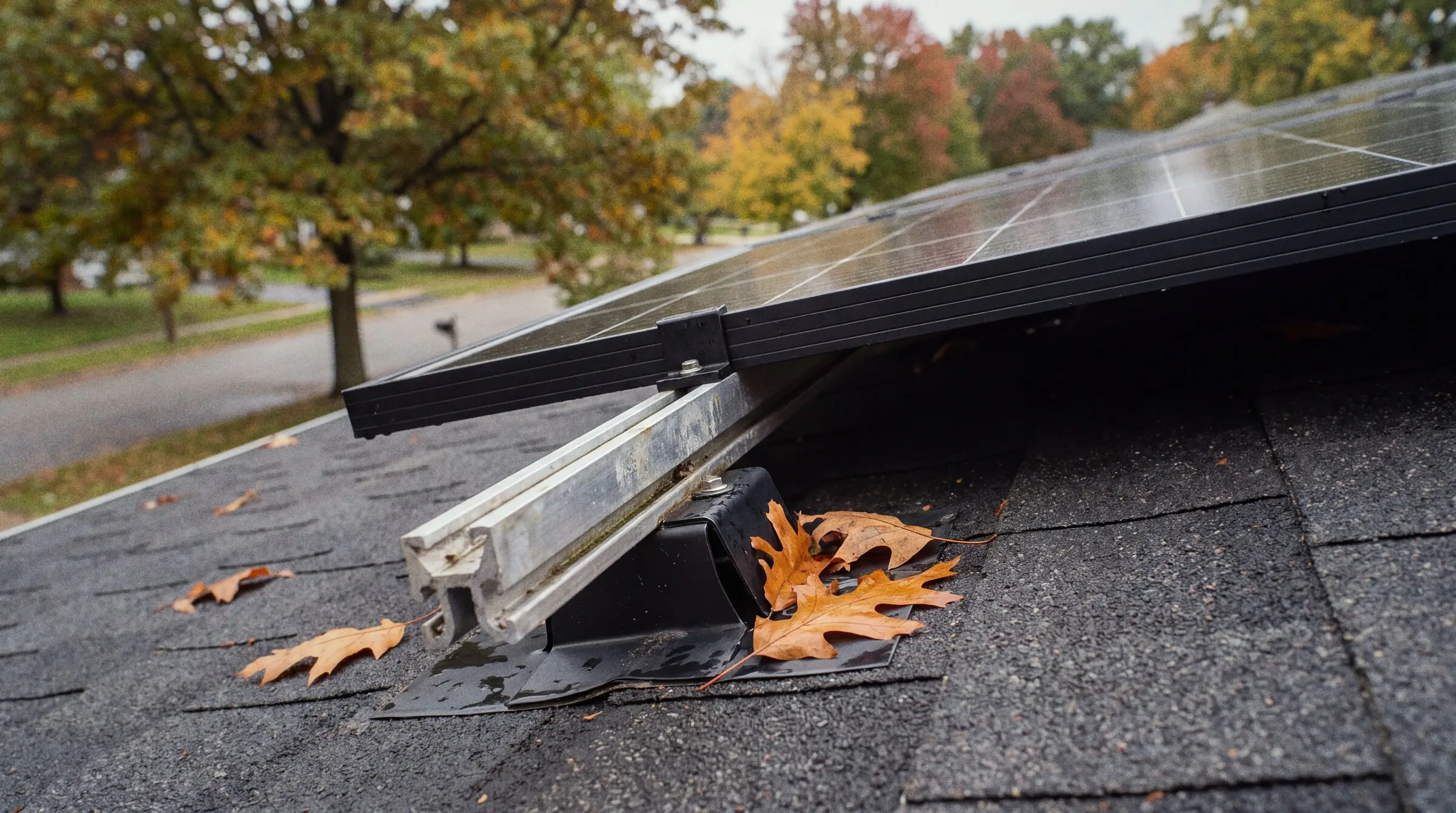
The process often begins with current photos. An adjuster or manufacturer representative sees the condition of the array and forms a view of how it has been kept. Heavy soiling, a nest beneath the modules, corrosion at a junction box, or debris packed along a lower rail may all shift the discussion away from a manufacturing defect and toward site conditions.
Your counterweight is a maintenance record: dated reports and photographs showing the array’s condition over time, plus notes showing what was found and what you did about it.
That is the imbalance worth understanding. The manufacturer will document what the system looks like on claim day. If you have no earlier record, those claim-day photos may be the only timeline anyone can see.
The Three Things a Record Needs
A service history becomes much more useful when it keeps three things together:
-
Dates: Show a consistent cadence, not a cluster of visits immediately before a claim.
-
Photographs: Keep before-and-after cleaning images plus condition shots of the mounting, wiring, guards, and visible roof penetrations.
-
Observations: Record what the technician found, what was recommended, and whether the recommendation was completed. A vague “looks good” note cannot do the same work.
Animal Guards Are Their Own Category
Rodent damage is difficult to confuse with a manufacturing defect. Chewed conductor insulation points to animal intrusion, and a nest beneath the modules can create problems long before an owner sees anything from the yard.
A critter guard costs much less than replacing damaged wiring. Installation is only part of the job, though. The perimeter still needs inspection because a lifted corner turns a guard into an open door. Solar Scapes installs custom animal guards for Kansas City solar arrays and services systems it did not originally install.
This is also where Solar Shield membership records help: a guard inspection can be dated and photographed alongside the rest of the array instead of living as a separate memory.
What to Do This Week
Find your panel manufacturer and model. The information may be in your installation paperwork, monitoring app, or on the module label. Then download the warranty document for that exact model and read the exclusions, claim procedure, and owner responsibilities.
If you want the short version first, the warranty check on our homepage summarizes the published limited-warranty language for ten common brands in this market. Use it as a map, then confirm the wording in your own PDF.
If your service record has a gap, start now. Solar Scapes’ Solar Shield maintenance program keeps annual reports, condition photos, and service history together. A record that begins today will be far more useful in five years than one reconstructed after a failure.